CPA Firms San Antonio Alternative.Who answers after the packet
We close the month, set payroll up on the provider you already use, and prepare the return, with Steven Palmieri, a Tax CFO and the Entrepreneur's CFO, on that close.
Ask about July
Who still answers in July.

You will be talking to the Steven Palmieri practice.

A month the bank accepts.
Pearl's tanks went quiet in 2001 after a century as a brewery, and every Texan knows the Saturday crowd that replaced them. We still want that Saturday's card batch in the month the tables were full.
Click to see a closed month ›Tap to see a closed month ›
The person, not the spring cover.
The Spanish Governor's Palace is the last stone of the old presidio, a room Texans can place. We see a remaining life in a building that old, then we go back to your month.
Click to see who answers ›Tap to see who answers ›
May is not the end of the year.
Late September along this corridor can still sit in the 90s, a heat every Texan knows, and a poor week to learn June never closed.
Click to see the May report ›Tap to see the May report ›
Rates that still apply in July.
Fort Sam keeps its own calendar beside the city's, and every Texan who has driven that stretch knows the two clocks. Both paydays still belong in the month the work happened.
Click to read the Bexar rates ›Tap to read the Bexar rates ›
Payday does not take July off.
We open the wage file on the provider you already pay people from. A provider runs payday. We do not.
Click to see payroll opened ›Tap to see payroll opened ›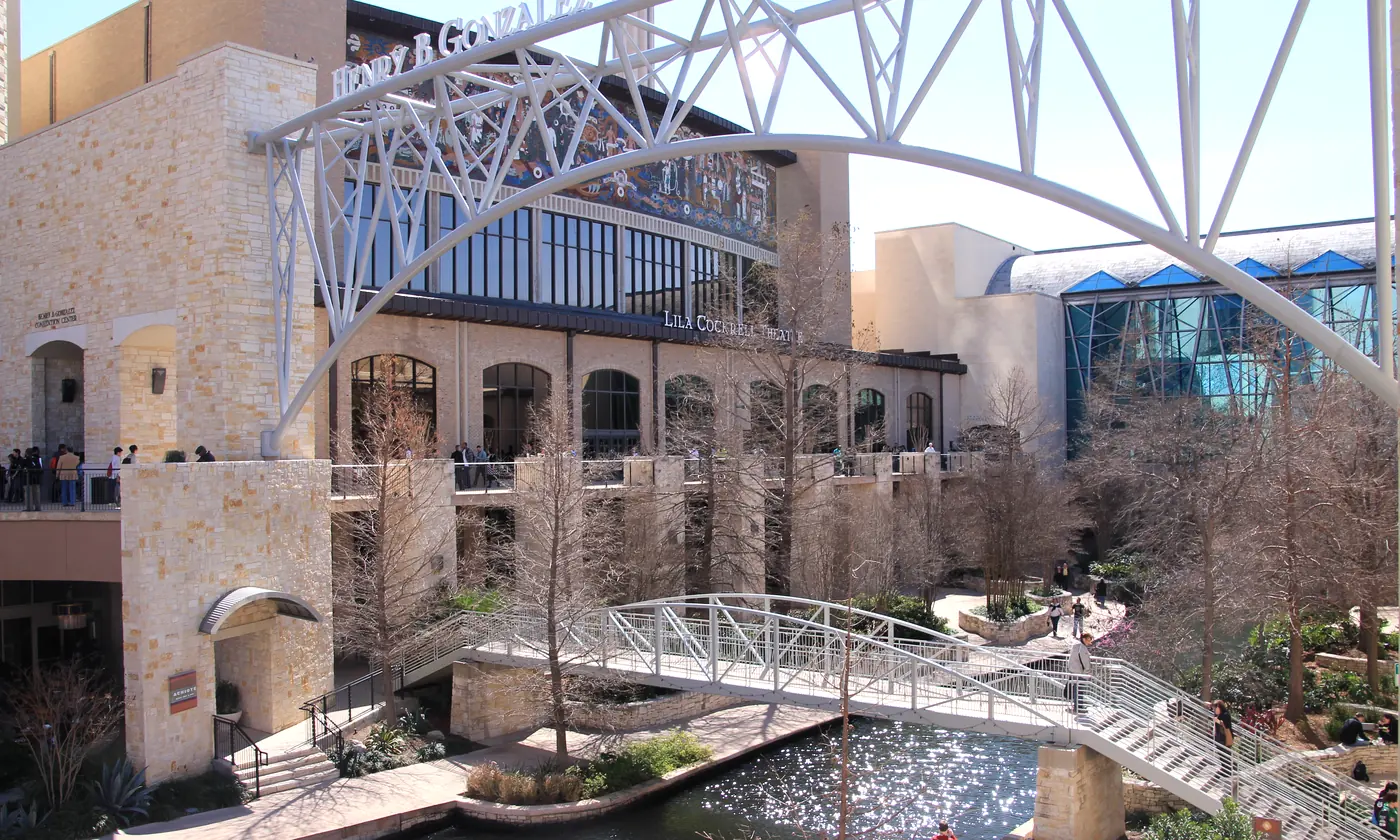
When a bond agent calls.
The Henry B. Gonzalez Convention Center is a long front every Texan can place. A bond request that week still turns on whether the newest month already agrees with the bank.
Click to see the summer call ›Tap to see the summer call ›Six letters a quiet summer actually brings
Open the letter that matches the one on your table.
1A bond request in a hot week
A bond request in a hot week
The agent wants current figures, not last spring's packet. The balance sheet has to square with a month the bank already agrees with.
We pull the newest closed month and say, on the call, whether a signature we cannot give is being asked for.
2A sales-tax letter while July is open
A sales-tax letter while July is open
The letter names a period. If that period was never closed, the answer is a guess wearing a number.
We close the named period against the bank before anyone drafts a reply.
3The franchise report after May went quiet
The franchise report after May went quiet
The federal return can be in and the Texas report can still be waiting. Silence after May is not the same thing as a finished year.
The draft of that report comes from the months already closed. You see it before anything is filed.
4A payroll rate the state changed
A payroll rate the state changed
Payday keeps running on the provider. A rate left at the old figure shows up later, in a month nobody was watching.
We set the wage accounts up so the books can read the file. The provider still runs payday.
5A thin month beside a water rule
A thin month beside a water rule
A dry stretch can cut a landscaping week in half. Three months later the dip looks like a soft market if nobody wrote the cause down.
We put the cause on the month it happened, so a later decision is not made on a mystery.
6An election that waited until August
An election that waited until August
An election changes how the business is taxed from a date. Waiting moves that date. The decision is no longer the one you thought you made in spring.
We name the date the paperwork actually supports. You decide whether to proceed.
After the packet, the Tax CFO you are reading is Steven Palmieri. We use Entrepreneur's CFO for the work that stays after that packet. Steven and his team stay on the month after the packet.
Click to meet the person on the page ›Tap to meet the person on the page ›King William's porches sit on old mission farmland. A Saturday's earnings there still belong in the month the work happened.
Name the quiet month.
Dallas is where this practice sits. Owners in San Antonio meet us on a video call, and the close still lands on the day we named. We keep no room beside the river.
You will be talking to the Steven Palmieri practice.
Read the rest of this page

What a quiet July actually feels like.
Read What a quiet July actually feels like.
The return went in. The packet came back with a name on the cover. For a few weeks that feels like a finish. Then a question shows up that the packet was never written to answer, and the phone that was busy in April is quiet.
Owners tell us the worry is not the spring work. The worry is the week nobody picks up. A letter from the state, a payroll rate that changed, a buyer who wants this month and not last year. Those arrive when the office that filed has already moved on.
We stay on the month. The close has a day. The day does not move because the weather got hot or because the packet already went out. If June is still open in September, that is the thing we say first.
What the packet proved, and what it did not.
Read What the packet proved, and what it did not.
A filed return proves the year that ended was put on a form. It does not prove the months after that form are being watched. Those are two different jobs, and a lot of owners only bought the first one.
The second job is ordinary. Deposits get a home. Bills get a home. Whatever sits on the bottom line has to be the figure the bank already showed. When that page exists, a summer question has somewhere to stand.
We do not redo a month that already agrees with the statement. We rebuild the ones that do not. Everything after the newest month you trust is what gets checked. Everything after it is checked against that start.
Payday stays where it already runs.
Read Payday stays where it already runs.
Setting payroll up means the wage accounts, the contractor totals, and the file the provider already runs, lined up so the books can read them. We line the books up so they can read that file. We do not run payday and we do not take the provider's place.
A new person can be set up quickly and land in the wrong account. A bonus can post in the month the form arrived instead of the month the work happened. Those are small drifts. They become a surprise at the return if nobody is reading the month.
When the state changes a rate, the provider may still be on the old figure until someone looks. We look, because the books are where that figure has to agree with the wages that were actually paid.
Choices the year can still hold.
Read Choices the year can still hold.
What an owner pays themselves, a large purchase, and a light month finished on purpose can still be chosen before December. Once December closes, the return can only describe the year that already occurred.
We point at the decision December has not locked yet. You are the one who decides it. The return is drafted from months that already agree with the bank, so the form describes the year the work happened.
A deposit that arrived in December for work you will do in January gets parked in January before a draft of the return begins. The move is small. It keeps the year honest.
A letter in the wrong week.
Read A letter in the wrong week.
A letter worries an owner before anyone turns it into a task. We read the cover line with you and say, in plain words, what the letter wants. If the letter wants records, we set the bank pages and the named statements in a row, and you decide what goes in the envelope.
You attend an examination yourself. We prepare the pages beside you. We stay outside that room. Disclosures carries the longer version of that boundary, written for this address. Months and the return can keep moving while you decide how the letter gets answered.
A bonding company that calls in July is usually asking for current figures. Last spring's packet is the wrong exhibit. The exhibit is the newest month that already matches the bank.
Rates that sit on these books.
Read Rates that sit on these books.
Inside the city limits the sales-tax stack is 8.25 percent. On the Comptroller's page that stack is 6.25 percent for the state, 1.125 percent for the city, 0.5 percent for VIA, and 0.375 percent for the Advanced Transportation District. Bexar County adds nothing of its own on top of that city stack.
Inside that 1.125, one full percent is general city use and the remaining 0.125 percent is the Pre-K 4 SA piece. City property tax sits at 56.288 cents on each 100 dollars, split as 35.138 cents of operations and 21.150 cents of debt.
A rate is only useful once the months under it already match the bank. A franchise report in the middle of May, and a business property listing in April, both sit on that same closed year.
What the first talk needs.
Read What the first talk needs.
Have the newest statement you already trust in reach, or the sentence the letter printed. On that call we say whether this is the help that fits.
If the cover prints audit, review, or compilation, that limit is spoken before any other plan. That signature stays outside this practice. Closing the months and preparing the return remain here, even where that signature has to come from someone else.
The call is where you hear what the work would take. The price we name moves with how many months still miss the bank. A repeating month starts only after the open ones are actually finished.